
What is Simhastha Kumbh Mela? Meaning, History & Why Nashik in 2027
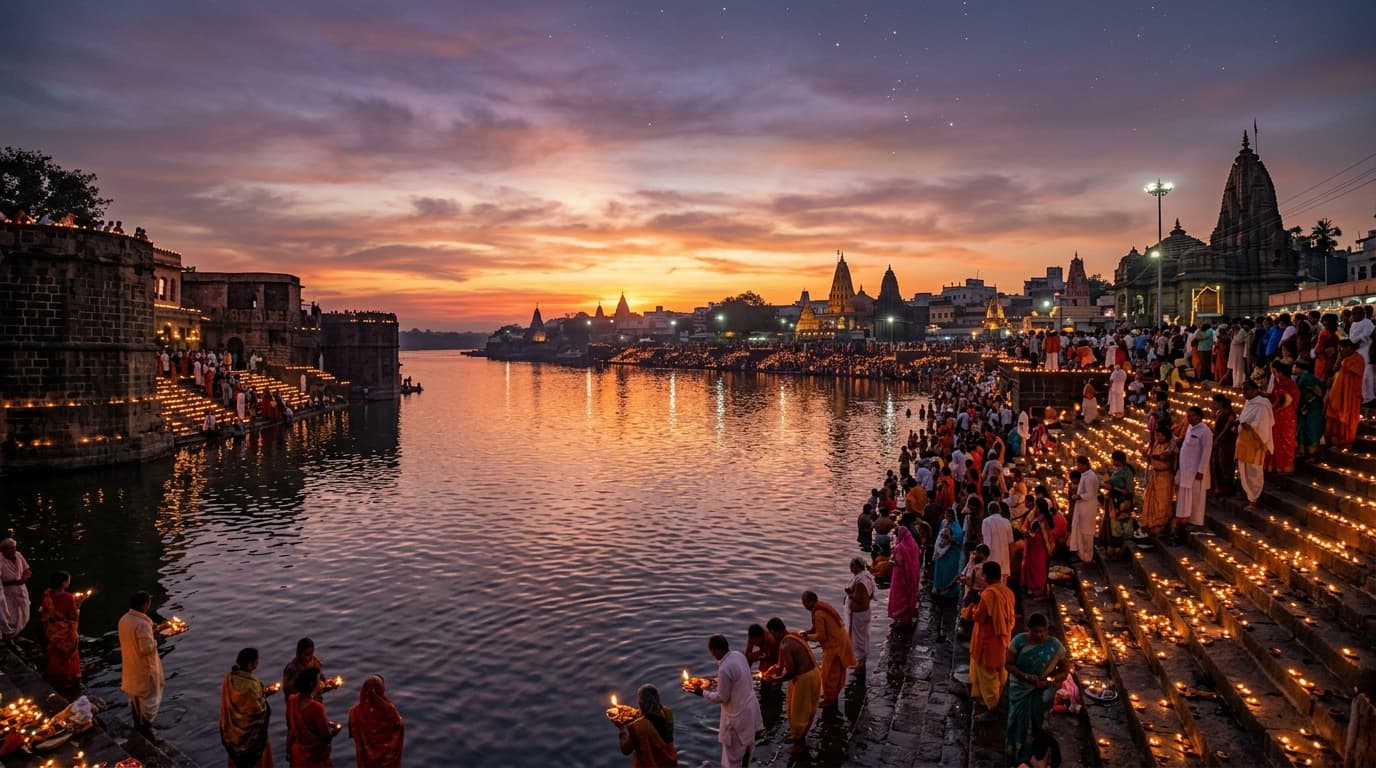
Simhastha literally means "Jupiter in Leo." The Nashik-Trimbakeshwar Simhastha Kumbh Mela is triggered when the planet Jupiter (Brihaspati) enters the zodiac sign of Leo (Simha Rashi), an astronomical event that occurs once every 12 years. This celestial alignment is believed to charge the waters of the Godavari River with divine nectar (Amrit), making a holy dip during this period equivalent to thousands of years of penance.
If you have been searching for "Simhastha 2026" or "Simhastha Nashik" on Google, you are not alone. Millions of pilgrims worldwide are trying to understand what this ancient festival actually means, why it happens specifically in Nashik, and when they should visit. This guide will answer every question you have.
The Astronomical Trigger: Jupiter in Leo
Unlike most Indian festivals that follow a fixed calendar date, the Kumbh Mela is determined purely by planetary positions. Hindu astronomers (Jyotishis) have tracked Jupiter's 12-year orbital cycle for thousands of years.
Jupiter takes approximately 11.86 Earth years to complete one orbit around the Sun, spending roughly one year in each of the 12 zodiac signs. When Jupiter enters Simha Rashi (Leo), it triggers the Nashik-Trimbakeshwar Kumbh Mela specifically.
- Jupiter in Leo (Simha): Nashik-Trimbakeshwar Kumbh Mela
- Jupiter in Aquarius (Kumbha): Prayagraj (Allahabad) Kumbh Mela
- Jupiter in Taurus (Vrishabha): Haridwar Kumbh Mela
- Jupiter in Scorpio (Vrishchika): Ujjain Kumbh Mela
This is why the word "Simhastha" is used exclusively for the Nashik event — it literally describes Jupiter's position in Leo at the time of the festival.
The Mythology: Samudra Manthan and the Four Drops of Amrit
According to Hindu mythology, the Kumbh Mela traces its origin to the Samudra Manthan (Churning of the Cosmic Ocean). The Devas (gods) and Asuras (demons) churned the ocean using Mount Mandara as a churning rod and the serpent Vasuki as a rope, to extract the Amrit (nectar of immortality).
When the Amrit Kalash (pot of nectar) emerged, a fierce battle erupted. Lord Vishnu, in the form of the enchantress Mohini, took the Kalash and flew across the sky. During this celestial chase, four drops of Amrit fell on Earth — at Prayagraj, Haridwar, Ujjain, and Nashik.
The exact spot where the nectar fell in Nashik is believed to be Ramkund on the banks of the Godavari. This is why Ramkund is considered the holiest bathing spot during the Simhastha, and millions of pilgrims converge here for the Shahi Snan (Royal Bath).
Why Nashik and Trimbakeshwar? The Twin Sacred Sites
The Nashik Simhastha is unique because it is celebrated at two locations simultaneously, approximately 30 km apart:
- Nashik (Panchavati / Ramkund): The Vaishnavite tradition. Lord Rama is believed to have lived in Panchavati during his 14-year exile. The Ramkund is where he performed the last rites of his father, King Dasharatha.
- Trimbakeshwar: The Shaivite tradition. Home to one of the 12 sacred Jyotirlingas and the Kushavarta Kund, which is the actual source of the Godavari River. Shaiva Akharas (like the Juna Akhara and Niranjani Akhara) perform their Shahi Snan here.
The 2026-2027 Simhastha Timeline
Many people are confused about whether the Simhastha is in 2026 or 2027. The answer is: both. Jupiter enters Leo in late 2026 and stays through 2027.
- October 31, 2026: Dhwajarohan (Flag Hoisting) — the official start of the Simhastha.
- August 2, 2027: First Amrit Snan (Shahi Snan) — the main event.
- August 31, 2027: Second Amrit Snan.
- September 11-12, 2027: Third and final Amrit Snan.
- July 24, 2028: Dhwajavataran (Flag Lowering) — the official conclusion.
For a complete breakdown of all dates, read our 2026 vs 2027 Dates Explained guide.
Insider Tip: The Best Time to Visit
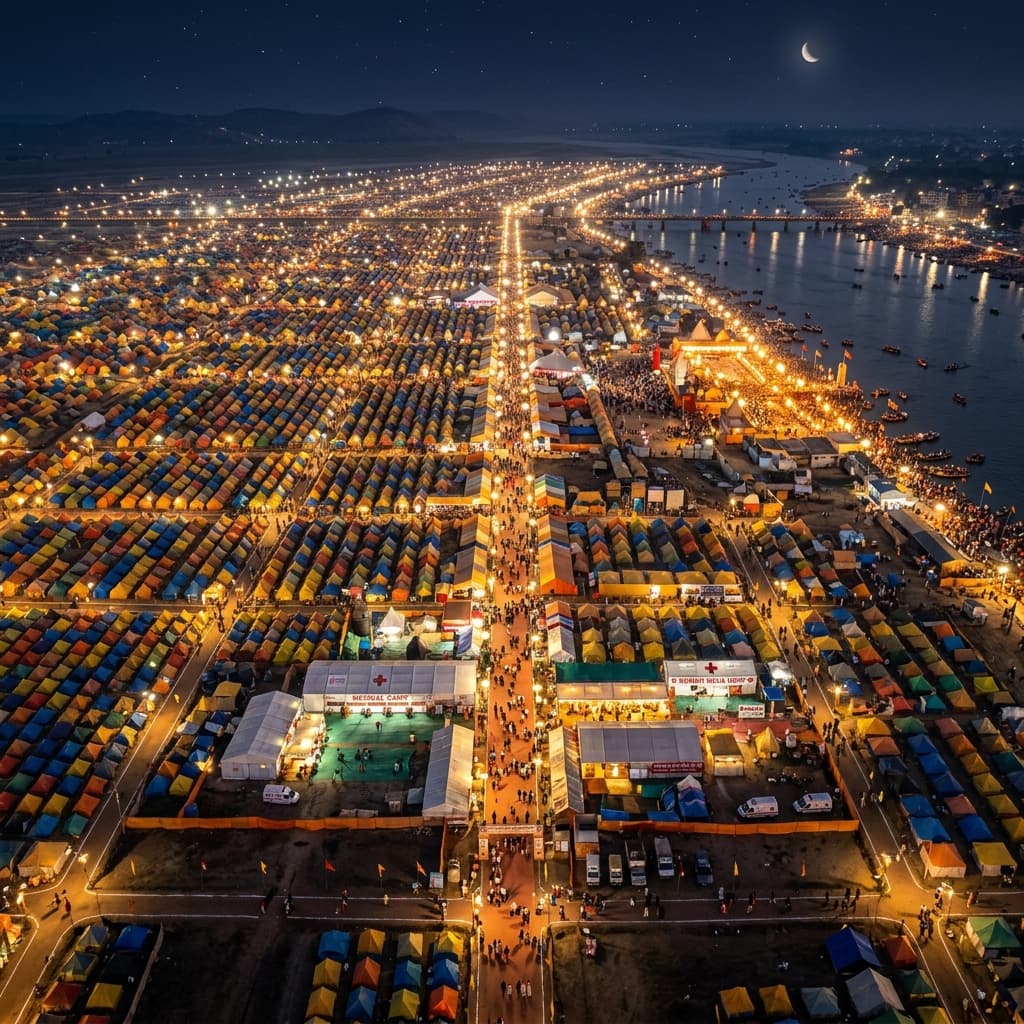
While the Shahi Snan dates in August-September 2027 are the most spiritually significant, they are also when 30 to 50 million people crowd into Nashik simultaneously. Locals and experienced pilgrims know that visiting between November 2026 and June 2027 offers a far more intimate, peaceful, and deeply spiritual experience. During this "quiet period," the Akharas are already established in Sadhugram, prominent Gurus are available for private Darshan, and the Godavari is calm and clean for bathing. You get the full spiritual benefit without the crushing crowds.
If you are planning to attend, check our Budget Guide to plan your expenses and our Accommodation page to book early.
The Scale: Numbers That Define the Simhastha
The Nashik Simhastha Kumbh Mela is not just a religious event — it is the largest peaceful gathering of human beings on Earth.
- Expected Footfall: 100 million+ pilgrims over the entire festival duration.
- Government Budget: ₹32,000 to ₹35,000 Crore for infrastructure, security, and sanitation.
- New Bathing Ghats: 20 new ghats being constructed along the Godavari.
- AI-Powered Security: Over 15,000 CCTV cameras with AI-driven crowd management systems.
How to Prepare for Your First Simhastha
If this is your first time attending the Simhastha Kumbh Mela, preparation is everything. Start by downloading our free Premium Ebook which contains detailed maps, itineraries, and insider tips that are not available anywhere else online.
Frequently Asked Questions
What does Simhastha mean?
Simhastha literally means 'Jupiter in Leo.' It refers to the astronomical event when planet Jupiter enters the Leo (Simha) zodiac sign, which triggers the Nashik-Trimbakeshwar Kumbh Mela once every 12 years.
Is Simhastha 2026 and Nashik Kumbh Mela the same thing?
Yes. Simhastha is the official astronomical name for the Nashik-Trimbakeshwar Kumbh Mela. The event begins in late 2026 with the flag hoisting and the main Shahi Snan dates are in August-September 2027.
Why is the Kumbh Mela held in Nashik?
According to Hindu mythology, one of the four drops of Amrit (divine nectar) from the Samudra Manthan fell at Ramkund on the Godavari River in Nashik. When Jupiter enters Leo, this spot is believed to become spiritually charged.
How often does the Nashik Kumbh Mela happen?
The Nashik Simhastha Kumbh Mela occurs once every 12 years, aligned with Jupiter's 12-year orbital cycle. The last one was in 2015, and the next is 2026-2027.
Related Articles
Planning Your Trip?
Don't leave anything to chance. Download our massive 63-page Premium Ebook covering every aspect of the 2027 Nashik Kumbh Mela.
Get The Master Guidearrow_forward